All Kids Products
Empower your kids with research-backed visual charts for daily routines, hygiene, chores, and big life transitions. Built for intrinsic motivation.
Empower your kids with research-backed visual charts for daily routines, hygiene, chores, and big life transitions. Built for intrinsic motivation.
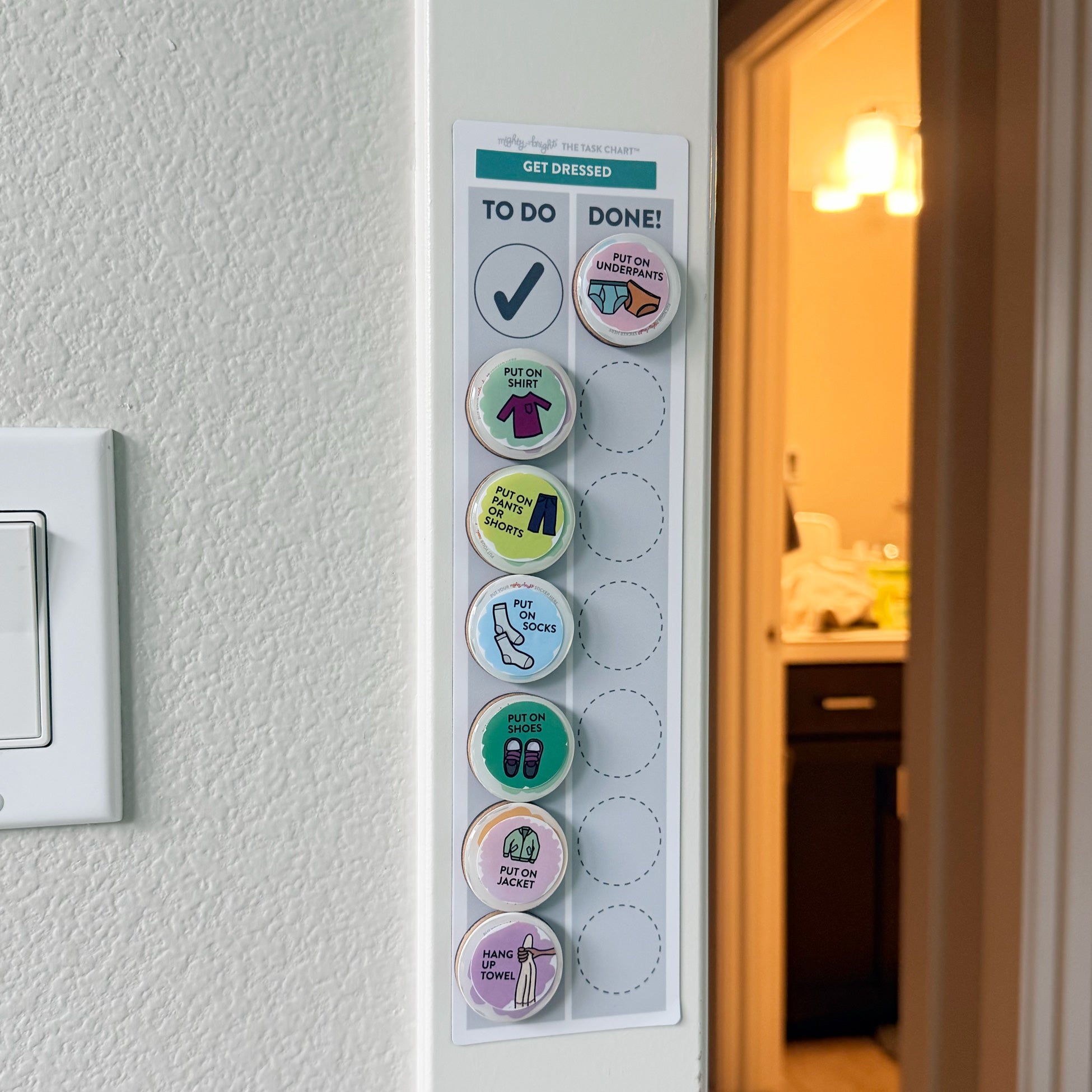
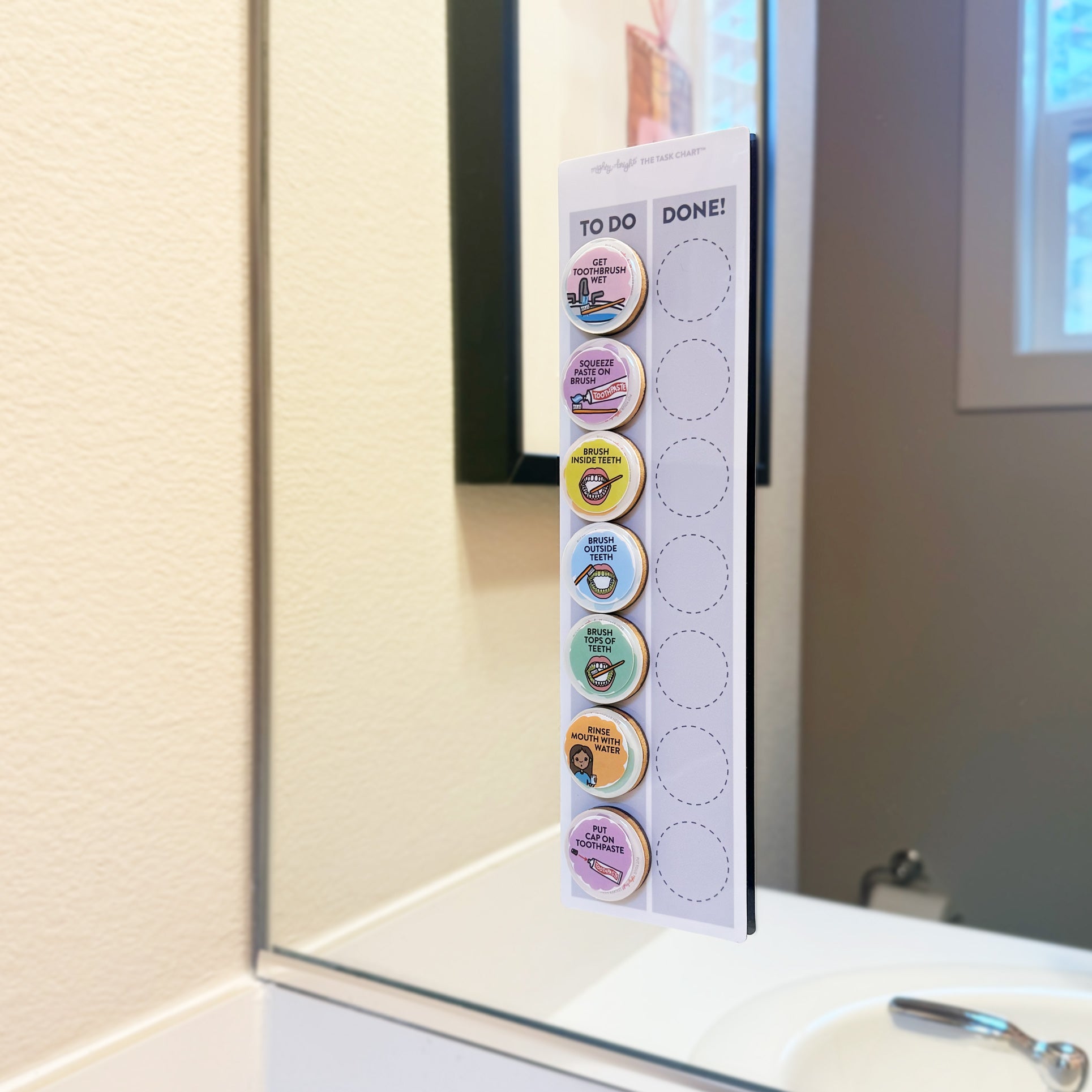
Build routines your kids will actually use — promoting independence and confidence.
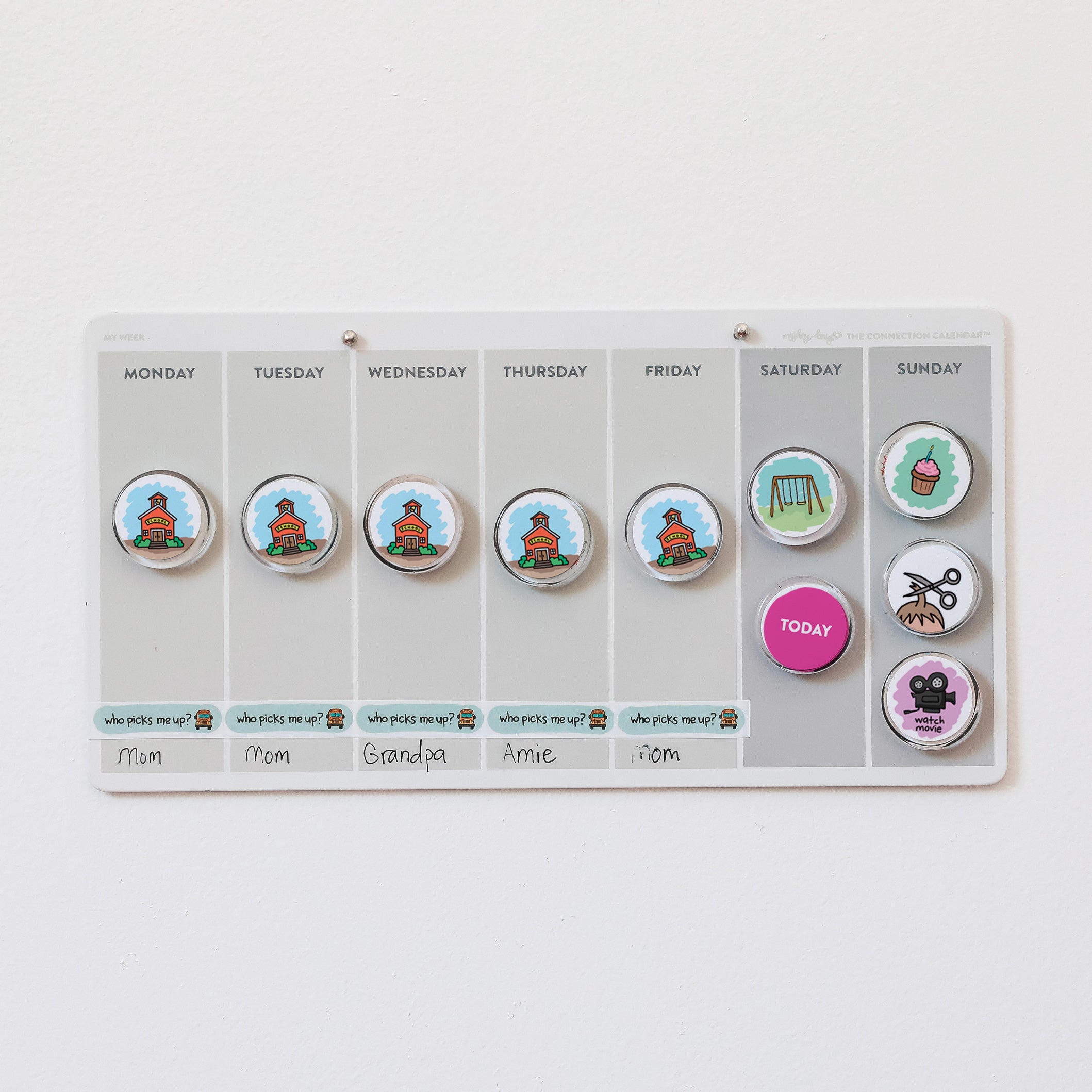
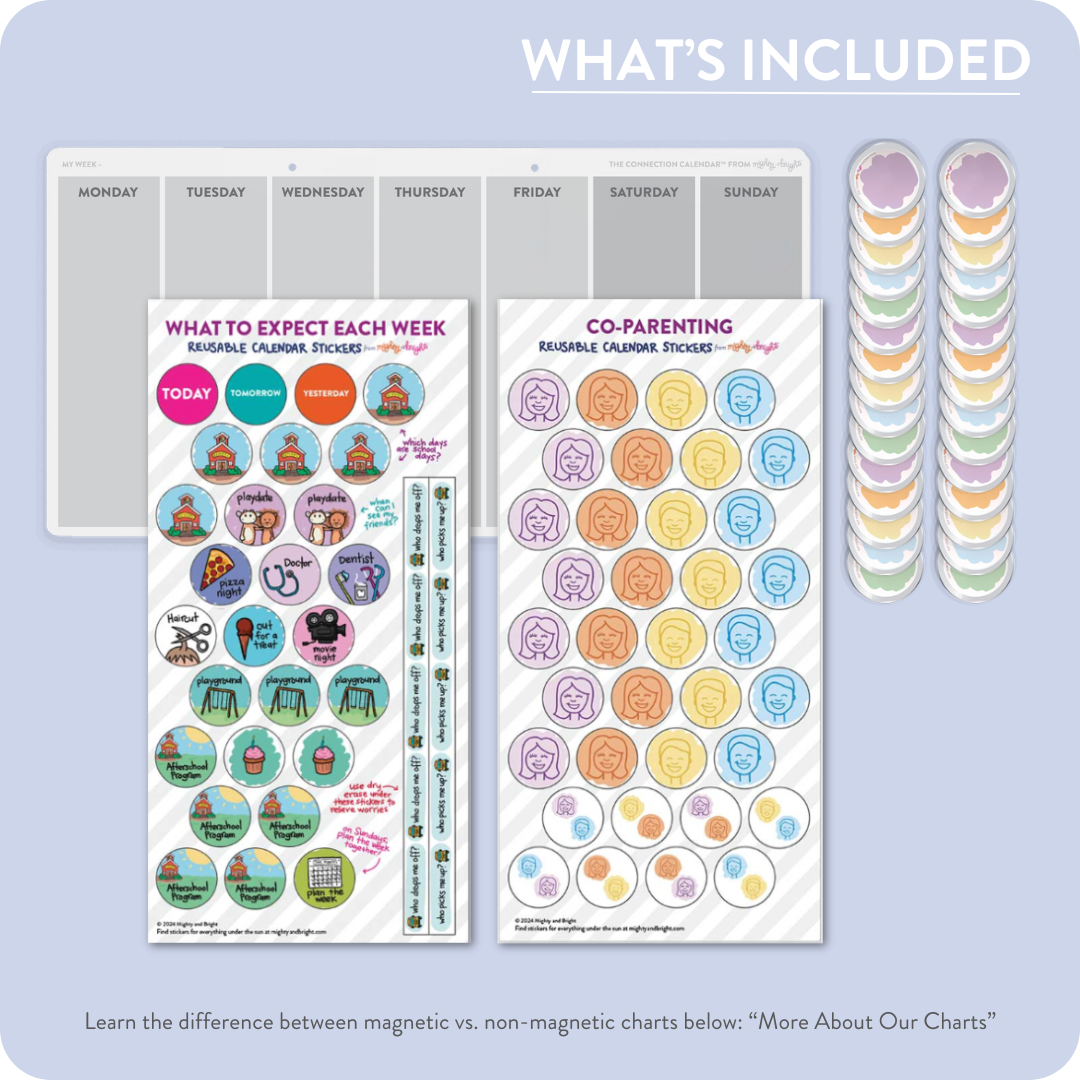
Show your kids what to expect each day, giving them a sense of predictability and calm.
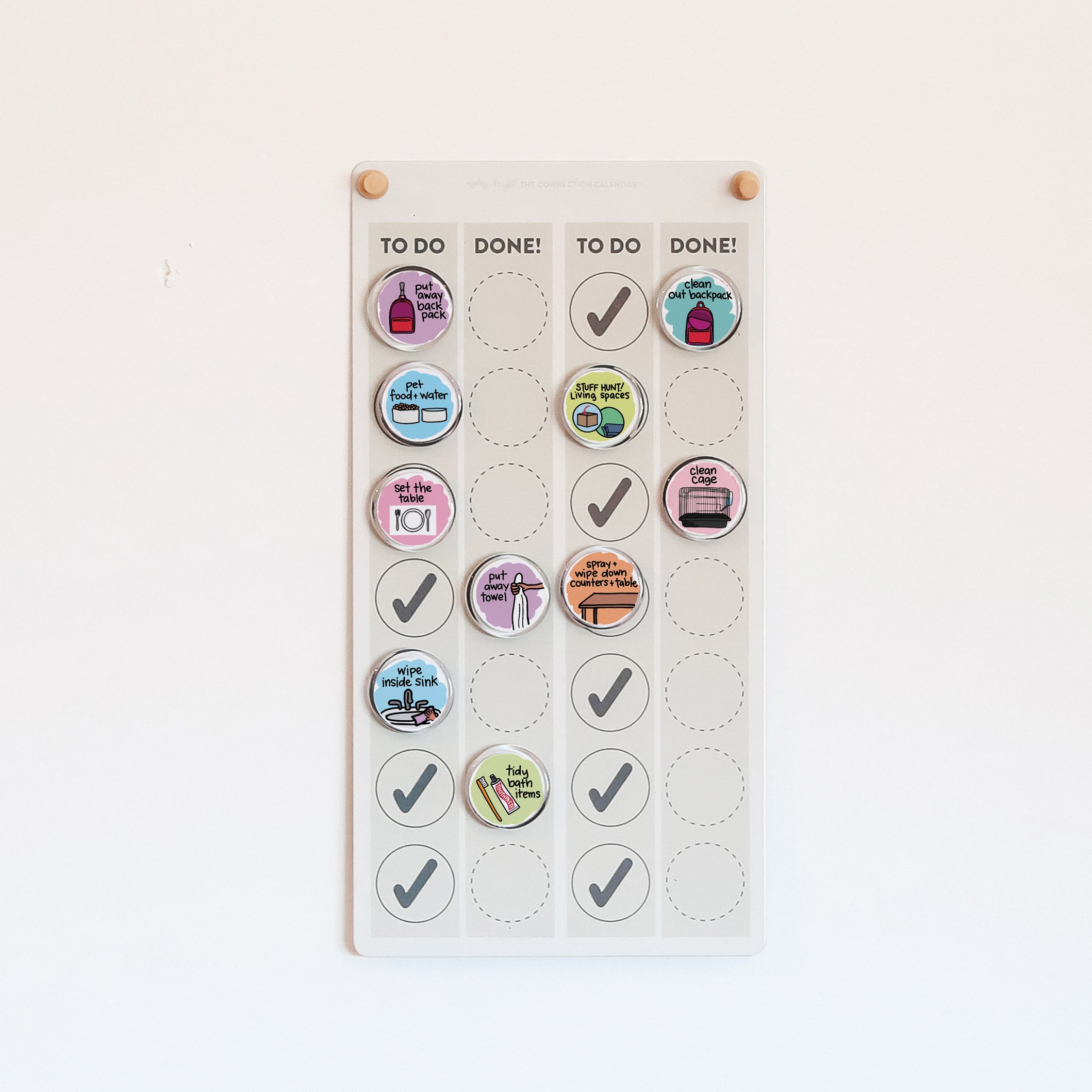
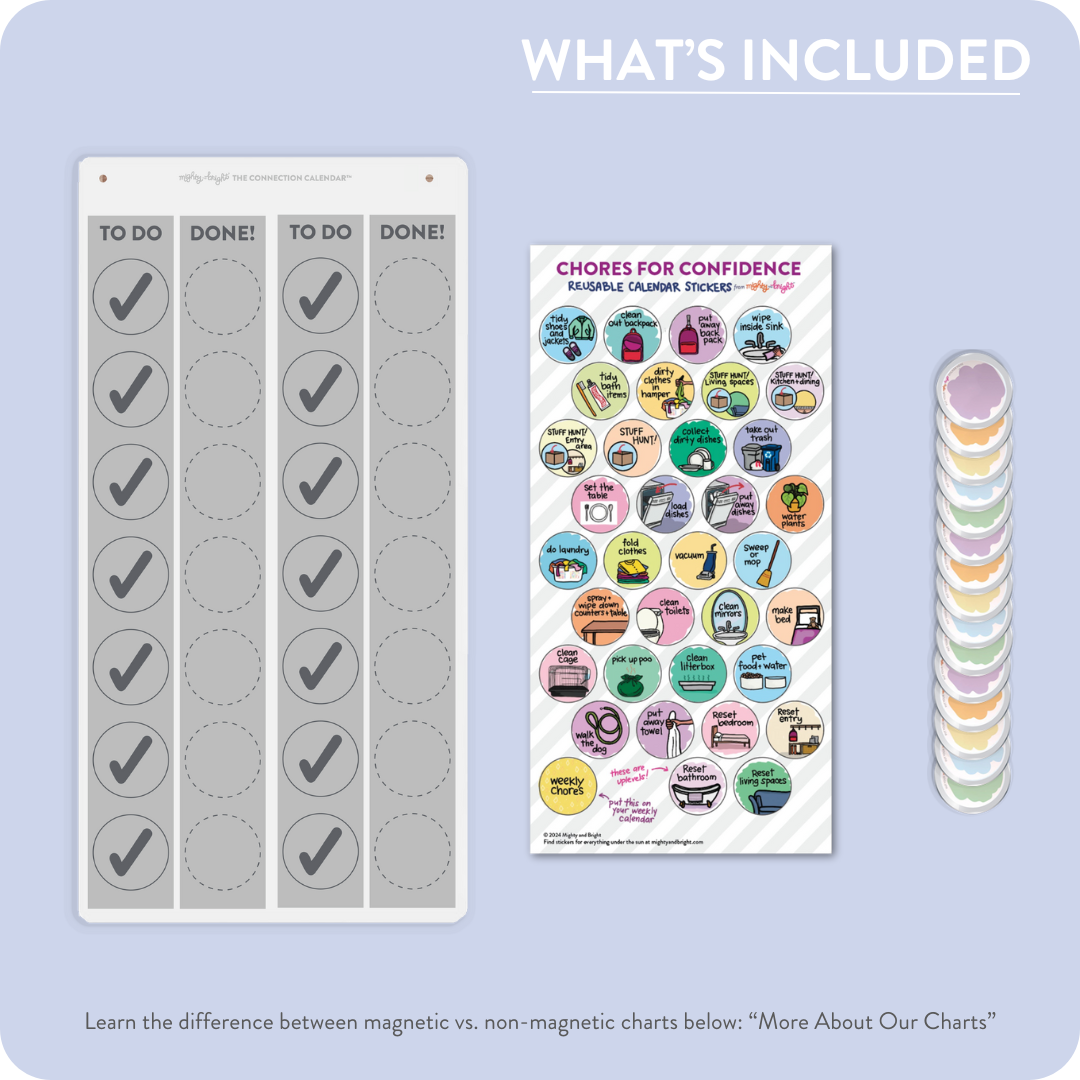
Build responsibility and teach your kids how to care for their space.
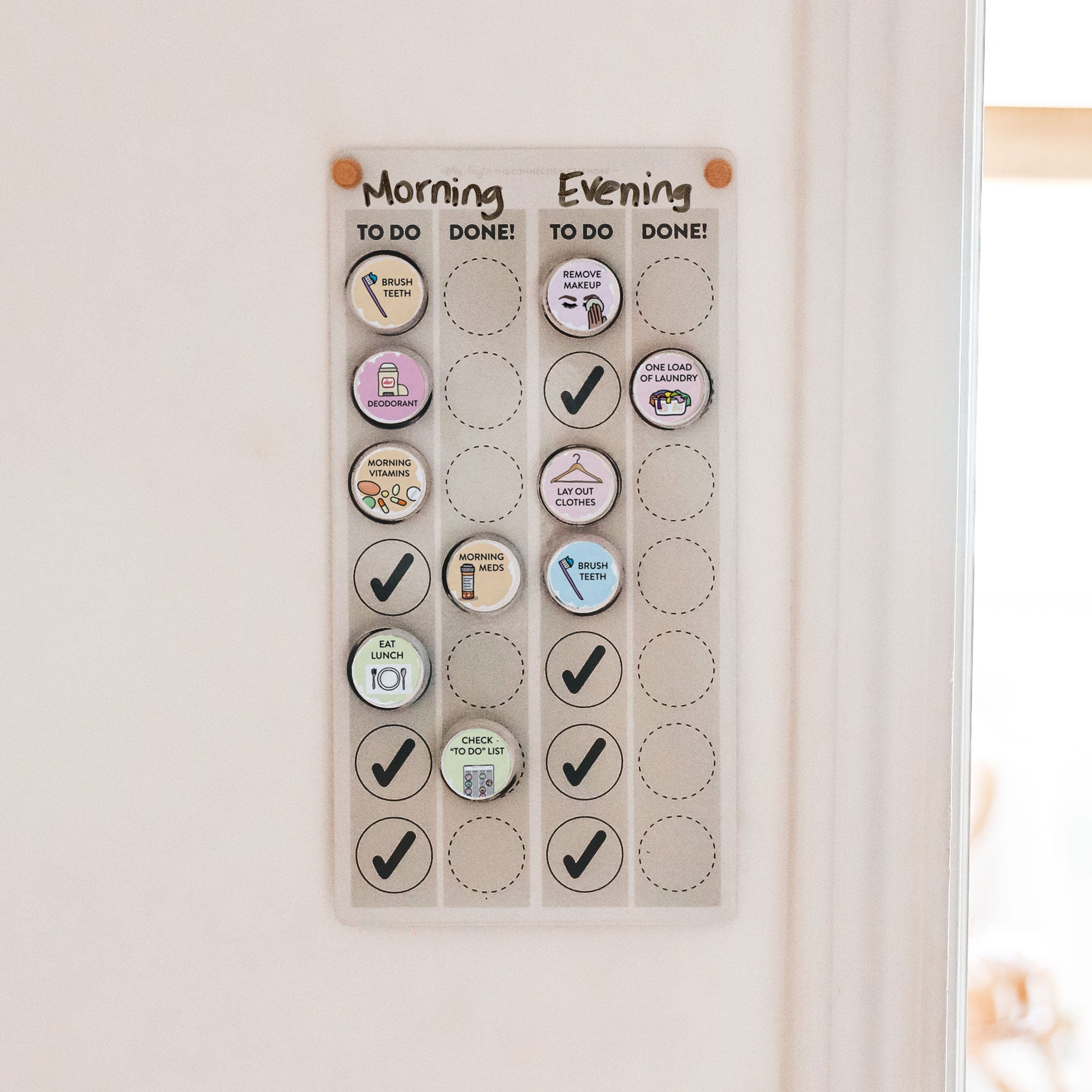
Help manage school and self care more effectively — and learn time management! For older kids, we recommend our adult routine chart.
Empower your kids. Connect with them. Set them up for success. From daily routines and hygiene skills to big life transitions like divorce or a hospital stay, our collection of visual tools is designed by experts to build resilience, foster independence, and protect your child's long-term mental health.
Our kids' products are primarily designed for children ages 2 to 12. Toddlers benefit immensely from our step-by-step hygiene breakdowns, simple routine charts, and weekly calendars, while school-aged children use our tools to manage complex schedules, track chores, and build emotional intelligence.
Children thrive on predictability, but they cannot hold abstract schedules in their heads. When a child can see their day physically mapped out on a magnetic board—whether it is a standard school day, a co-parenting transition, or a medical treatment schedule—they feel safe, secure, and in control.
Yes. Our products are incredibly effective for neurodivergent children. By breaking large tasks into manageable visual steps and removing the pressure of verbal commands, our charts accommodate executive dysfunction, reduce cognitive overload, and foster independence without power struggles.
We do not use reward systems or sticker charts, which research shows can damage intrinsic motivation. Instead, our research-backed tools focus on teamwork, emotional connection, and teaching practical skills, helping children feel proud of their contributions to the family.